Closing the Distance: The Rural Healthcare Emergency Facing West Virginia and What Maloney Proposes to Do About It
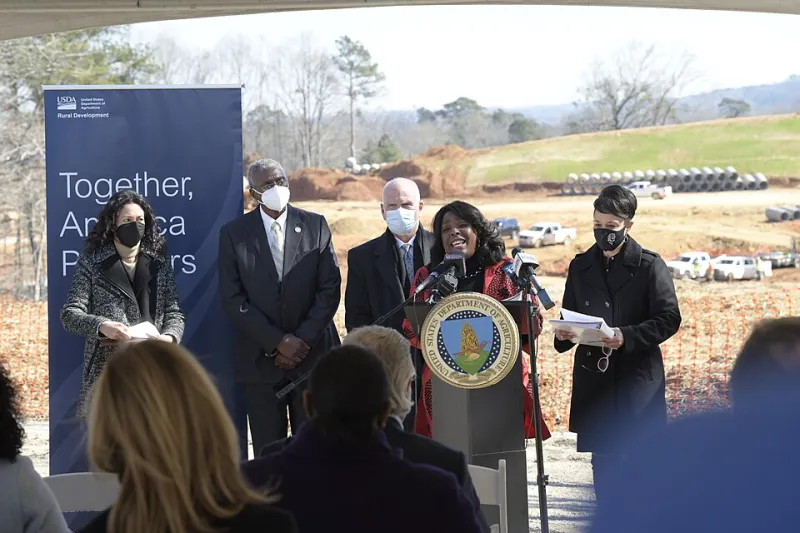
Photo: USDAgov, Public domain, via Wikimedia Commons
A Crisis Measured in Miles and Minutes
In Pocahontas County, West Virginia, the nearest hospital emergency room is more than 45 miles from the county seat of Marlinton. In Pendleton County, residents who suffer a cardiac event face a journey of comparable length before reaching acute care. These are not isolated anomalies—they are representative of a structural healthcare deficit that spans the Mountain State and carries life-or-death consequences for the approximately 400,000 West Virginians who live in federally designated rural health shortage areas.
The numbers behind this crisis are stark. The West Virginia Hospital Association has documented the closure or conversion of multiple rural hospitals over the past decade, with at least seven facilities either shutting their doors entirely or eliminating inpatient services since 2010. The state's maternal mortality rate—the number of women who die from pregnancy-related causes per 100,000 live births—has in recent years exceeded 30, compared to a national average hovering near 23. And in a state where the opioid epidemic has devastated entire communities, access to addiction treatment services remains critically limited outside of the few larger urban centers.
For Maloney, these statistics are not abstractions. They are the backdrop against which this campaign has developed a healthcare platform grounded in the specific realities of rural West Virginia rather than in one-size-fits-all national policy prescriptions.
Voices from the Communities Most Affected
Susan Alderman, a 58-year-old retired school aide from Webster County, describes a situation that has become routine for her family. Her husband requires regular monitoring for a chronic heart condition, and their closest cardiologist is located in Charleston—a round trip of nearly three hours on mountain roads that becomes genuinely dangerous in winter weather.
"We've had to cancel appointments because of ice on the roads," Alderman said. "And every time we cancel, I wonder if we're rolling the dice. But we can't afford to stay in a hotel in Charleston every time he needs to be seen."
Her story echoes what healthcare advocates across the state hear repeatedly. Transportation barriers, the cost of specialty care, and the simple geographic reality of living in a mountainous rural state combine to create a system where preventive care is frequently deferred until a condition becomes an emergency—and emergencies in places far from hospitals often become tragedies.
Amanda Ferrell, a licensed practical nurse working at a federally qualified health center in Nicholas County, describes the downstream effects of this deferred care model. "We see patients who haven't had a primary care visit in three or four years," she said. "By the time they come in, what could have been managed with medication and lifestyle changes has progressed into something much more serious and much more expensive to treat."
The Prescription Drug Affordability Gap
Beyond access to physical facilities, the cost of prescription medications represents a separate and compounding burden for West Virginia families. The state's population skews older than the national average and carries a disproportionately high burden of chronic conditions including diabetes, hypertension, and pulmonary disease—conditions that require ongoing pharmaceutical management.
A 2023 survey conducted by a nonpartisan West Virginia health policy organization found that nearly one in four respondents had skipped filling a prescription in the previous year due to cost. Among respondents over the age of 65, that figure rose to nearly one in three. These are not decisions made lightly—they are calculated gambles made by people forced to choose between medication and other basic necessities.
Maloney's platform addresses prescription affordability through several mechanisms. The candidate supports legislation that would allow West Virginia to participate in interstate drug purchasing compacts, enabling the state to leverage collective purchasing power to negotiate lower prices for both Medicaid enrollees and uninsured residents. The platform also calls for expanding the state's 340B drug pricing program—a federal initiative that allows qualifying health centers to purchase medications at significantly reduced costs—to reach a broader network of rural providers.
Additionally, Maloney has endorsed transparency requirements that would compel pharmacy benefit managers operating in West Virginia to disclose their pricing structures, a reform that healthcare economists argue could reduce costs by eliminating hidden markups that currently inflate what consumers and insurers pay at the pharmacy counter.
Addressing Maternal Mortality with Targeted Policy
West Virginia's maternal mortality crisis demands specific attention. The state's rates of pregnancy-related death are concentrated among women in rural counties and are disproportionately linked to gaps in prenatal and postpartum care access. A significant percentage of maternal deaths in West Virginia occur in the weeks and months following delivery—a period when women who have delivered at a distant hospital may have effectively lost contact with the healthcare system by the time complications arise.
Maloney's maternal health proposals include funding for a statewide network of community health workers who would provide home-based support to new mothers in high-risk counties during the postpartum period. This model, which has demonstrated measurable success in reducing maternal mortality in pilot programs in states including North Carolina and Louisiana, places trained community members—often residents of the same communities they serve—in a position to identify warning signs and connect mothers with timely care before emergencies develop.
The platform also calls for Medicaid coverage extensions for postpartum care from 60 days to 12 months, aligning West Virginia with the growing number of states that have taken this step under available federal options. Advocates argue that this single policy change could prevent a meaningful share of the maternal deaths that currently occur in the months after delivery.
Telehealth and the Technology Bridge
Expanding the physical healthcare infrastructure in rural West Virginia is a long-term project measured in years and decades. In the nearer term, Maloney's plan places significant weight on telehealth as a bridge technology capable of extending specialist access to communities that cannot realistically support brick-and-mortar specialty clinics.
The pandemic demonstrated that telehealth could function effectively for a wide range of clinical encounters, and West Virginia's rural patients proved both willing and capable of adopting the technology when connectivity permitted it. Maloney's platform commits to protecting and expanding the telehealth reimbursement flexibilities adopted during the public health emergency, many of which are currently set to expire, and to pairing that commitment with continued broadband expansion investment.
Nurse Ferrell, who has incorporated telehealth consultations with specialists into her health center's workflow, describes the practical difference it makes. "Instead of telling a patient they need to drive to Clarksburg to see a cardiologist and watching them not show up for that appointment, we can set up a video visit right here," she said. "The patient stays engaged. The specialist gets the information they need. And nobody has to drive two hours each way."
A Platform Built on Listening
What distinguishes the Maloney healthcare agenda, according to the candidate and the campaign's health policy advisers, is that it was developed through sustained engagement with the communities it is designed to serve. Town halls in Welch, Summersville, and Parsons, alongside conversations with hospital administrators, rural physicians, and patient advocates, shaped the specifics of a platform that reflects West Virginia's particular challenges rather than generic national templates.
For Susan Alderman in Webster County, the question of whether any candidate's promises will translate into meaningful change is one she approaches with the measured skepticism of someone who has watched healthcare services in her community contract over many years. "I hope it's real," she said simply. "Because people here are struggling. And we need someone who actually understands what that means."
The voters of West Virginia will render their judgment. What the evidence makes clear is that the healthcare crisis in the state's rural communities is real, it is urgent, and it demands a response equal to its severity.